Introduction to Gait Training
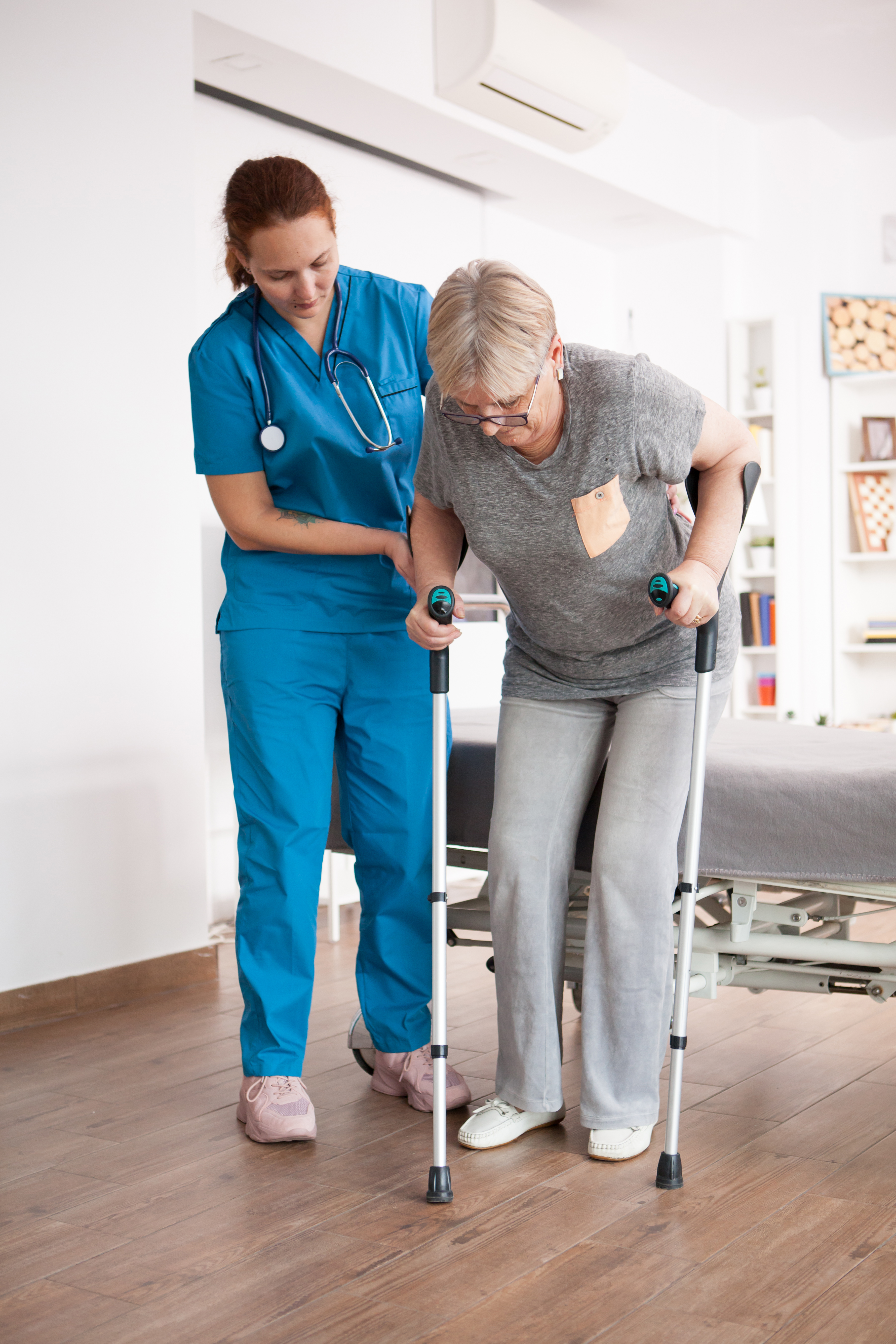
After a stroke, many people face challenges with walking. Gait training for stroke survivors is a special therapy that helps people relearn how to walk. In fact, this process uses advanced mechanics and new technology to make recovery safer and faster. Because walking is key to daily life, gait training is an important part of stroke recovery.
Why Stroke Survivors Need Gait Training
Often, a stroke can weaken muscles or affect balance. As a result, many survivors find it hard to walk or move safely. Gait training helps by:
Because every stroke is different, each person’s needs will vary. However, most survivors benefit from some form of gait training.
How Advanced Mechanics Improve Gait Training
Today, advanced gait rehabilitation uses new tools and machines. These help stroke survivors practice walking in a safe way. For example, some devices support the body while walking. Others use sensors to track movement and give feedback. With these tools, therapists can adjust training to fit each person’s needs. As a result, progress can be faster and safer.
Common Techniques and Technologies Used
There are many ways to help stroke survivors walk again. Some popular stroke recovery walking techniques and technologies include:
Because technology keeps improving, new options appear often. Your physical therapy for stroke patients may include one or more of these methods.
Benefits and Expected Outcomes
With regular gait training, stroke survivors can expect many benefits. For instance, they may:
However, progress depends on the person’s health and how soon therapy begins. Early and consistent training often leads to better results.
Tips for Stroke Survivors and Caregivers
Because recovery can be challenging, here are some helpful tips:
Moreover, caregivers should offer support and encouragement. This helps survivors stay motivated during recovery.
Prevention of Further Mobility Issues
After a stroke, it is important to prevent more problems. Regular gait training and exercise can help keep muscles strong. In addition, staying active lowers the risk of future strokes. Always follow your doctor’s advice about medication, diet, and activity. If you notice new problems with walking, contact your healthcare team right away.
Conclusion and Next Steps
In summary, gait training for stroke survivors uses advanced mechanics and proven techniques to help people walk again. Because every recovery is unique, a personalized plan is best. If you or a loved one needs help walking after a stroke, consult a physiotherapist or rehabilitation specialist for personalized gait training. Early action can make a big difference in recovery and quality of life.
Struggling to walk after a stroke? Don’t lose hope.
Regain mobility with advanced gait training under Dr. Phani.
Book your session today and take confident steps again.