Introduction to Cupping Therapy and Its Role in Sports Injury Recovery
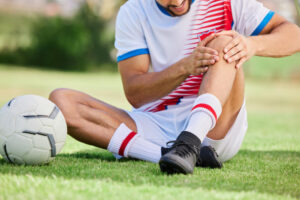
Cupping therapy for sports injuries is gaining popularity among athletes. This ancient method uses special cups to create suction on the skin. As a result, it may help speed up sports injury recovery. Many athletes use it to ease pain, reduce swelling, and improve movement. While it is not new, cupping therapy is now seen as a modern tool for healing sports injuries.
Common Sports Injuries Treated with Cupping Therapy
Many athletes face injuries during training or games. Cupping therapy can help with several common problems. For example, it is often used for:
In addition, some athletes use cupping therapy for joint pain and stiffness. However, it is important to talk to a healthcare provider before starting any new treatment.
How Cupping Therapy Works: Mechanisms and Techniques
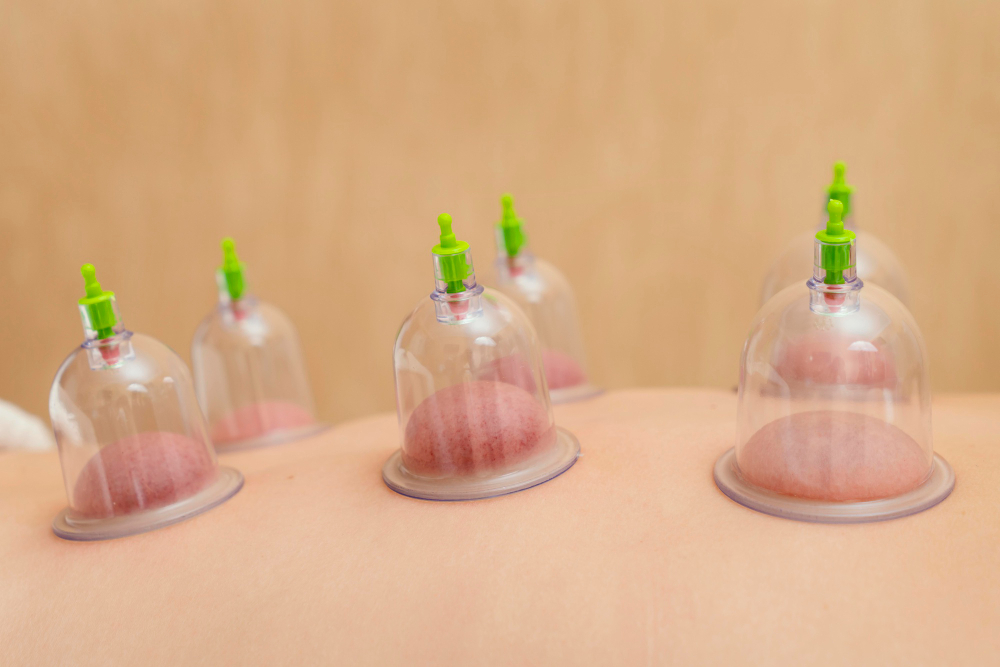
Cupping therapy uses glass, silicone, or plastic cups. First, a therapist places the cups on the skin. Then, they create suction by removing air from the cup. This suction pulls the skin and muscles upward. As a result, blood flow increases in the area. Some believe this helps the body heal faster. There are two main types of cupping:
Most sports injury recovery methods use dry cupping. The process is usually painless, but you may feel a gentle pulling on your skin.
Benefits and Potential Risks of Cupping Therapy for Athletes
Cupping therapy offers several benefits for athletes. For instance, it may:
However, there are some risks. For example, you may notice round marks or bruises after treatment. These usually fade in a few days. Rarely, skin infections or burns can occur if the procedure is not done correctly. Therefore, always choose a trained therapist for cupping therapy.
Scientific Evidence and Expert Opinions
According to the World Health Organization (WHO), cupping therapy is safe when performed by trained professionals. Some studies in peer-reviewed journals show that cupping can help reduce pain and improve movement in athletes. However, the Centers for Disease Control and Prevention (CDC) notes that more research is needed to fully understand its effects. While many athletes report feeling better after cupping, experts agree it should be used along with other proven sports injury recovery methods.
Step-by-Step Guide: What to Expect During a Cupping Therapy Session
If you are new to cupping therapy, here is what you can expect:
Most sessions last about 30 minutes. You can return to normal activities after treatment, but avoid heavy exercise for a few hours.
Tips for Safe and Effective Use of Cupping Therapy
To get the most from cupping therapy for sports injuries, follow these tips:
Moreover, ask your doctor if cupping therapy is safe for your specific injury.
Prevention and Lifestyle Advice for Athletes
While cupping therapy can help with recovery, prevention is always better. To avoid sports injuries, try these tips:
Additionally, regular stretching and strength training can lower your risk of injury.
Conclusion
Cupping therapy for sports injuries is a popular recovery method among athletes. It may help reduce pain and speed up healing. However, it is important to use it safely and under expert care. Consult Dr. Phani to learn if cupping therapy is right for your sports injury recovery.