
Introduction
Spinal injury rehabilitation is a step-by-step process that helps people recover after a spinal cord injury. Early treatment is important because it can improve strength, movement, and daily living skills. For many, regaining mobility after spinal cord injury is a top goal. With the right support, many people can also regain independence after spinal injury. Rehabilitation programs use proven methods to help patients reach their best possible recovery. These programs are based on advice from trusted sources like the World Health Organization and the CDC.
Common Symptoms and Challenges After Spinal Injury
After a spinal injury, people may notice many changes in their bodies. For example, some may lose feeling or movement in certain areas. Others may have trouble controlling their bladder or bowels. In addition, pain, muscle spasms, and weakness are common. Many people also face emotional challenges, such as sadness or worry. Because of these changes, daily tasks can become harder. However, with support and therapy, many challenges can be managed.
Causes and Types of Spinal Injuries
Spinal injuries can happen for many reasons. For instance, car crashes, falls, and sports injuries are common causes. Sometimes, diseases or infections can also damage the spinal cord. There are two main types of spinal injuries. Complete injuries mean there is no movement or feeling below the injury. In contrast, incomplete injuries allow some movement or feeling. Because each injury is different, treatment plans are made to fit each person’s needs.
Diagnosis and Assessment in Rehabilitation
First, doctors use tests to find out how serious the spinal injury is. They may check muscle strength, feeling, and reflexes. In many cases, imaging tests like MRI or CT scans are used. These tests help doctors see the damage inside the spine. As a result, the team can create a plan for spinal injury rehabilitation. Regular check-ups help track progress and adjust the plan as needed.
Key Rehabilitation Methods
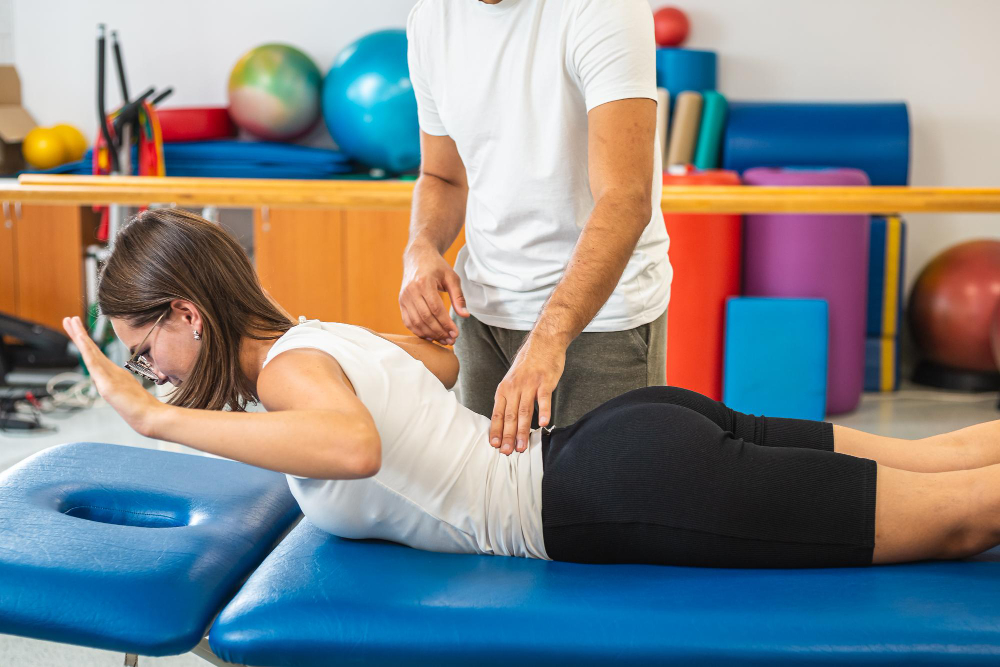
Rehabilitation uses many methods to help people regain mobility after spinal cord injury. Physical therapy is often the first step. It helps build strength, balance, and movement. Occupational therapy teaches new ways to do daily tasks, such as dressing or cooking. In addition, assistive devices like wheelchairs, braces, or walkers can make moving around easier. Because every person is unique, the rehab team chooses the best tools and exercises for each patient.
Lifestyle Guidance for Patients and Families
After a spinal injury, daily life may change. However, families can play a big role in recovery. For example, keeping a regular routine helps with healing. Eating healthy foods and staying active are also important. Because stress can slow recovery, finding ways to relax is helpful. Support groups can offer advice and comfort. In addition, learning about spinal injury rehabilitation helps families understand what to expect.
Prevention of Secondary Complications
After a spinal injury, some problems can develop over time. For instance, pressure sores, infections, and blood clots are risks. To prevent these, regular movement and skin checks are important. Good hygiene and proper care of equipment also help. Because these steps lower the risk of problems, they are part of every spinal injury rehabilitation plan.
Tips for Regaining Mobility and Independence
With time and effort, many people regain mobility after spinal cord injury. Setting small goals can help track progress. For example, practice moving from bed to chair. Use assistive devices as needed. In addition, celebrate each success, no matter how small. Because everyone recovers at their own pace, patience is key. Working closely with the rehab team can make a big difference. Over time, many people find new ways to stay active and independent after spinal injury.
Connect with Dr. Phani for comprehensive health guidance.