Cerebral palsy is a group of conditions that affect movement and muscle control. It often starts in early childhood. For many families, physiotherapy for cerebral palsy is a key way to improve movement and daily life. Because each person is unique, therapy plans are tailored to their needs. In many communities, access to skilled therapists can make a big difference.
What Is Cerebral Palsy?
First, it helps to understand what cerebral palsy means. This condition happens when the brain is damaged before, during, or soon after birth. As a result, it affects how muscles work. For example, some people may have stiff muscles, while others may have weak or shaky movements.
Although cerebral palsy does not get worse over time, the effects can change as a person grows. According to the CDC, about 1 in 345 children in the United States have cerebral palsy.
How Physiotherapy Helps Cerebral Palsy
Physiotherapy is a main part of cerebral palsy rehabilitation. It helps people move better and take part in daily life. Because movement can be hard, therapy aims to make tasks easier and prevent problems.
For many families, regular therapy sessions can help children and adults reach their best potential. In addition, therapy can help prevent future problems, such as joint pain or muscle tightness.
Common Physiotherapy Techniques for Cerebral Palsy
Therapists use many evidence-based techniques to help people with cerebral palsy. Not every technique is right for everyone. However, some of the best physiotherapy exercises for cerebral palsy include:
Sometimes, therapists may use tools like braces or walkers to help. In many cases, therapy is fun and uses toys or music to keep children engaged.
What to Expect During Physiotherapy Sessions
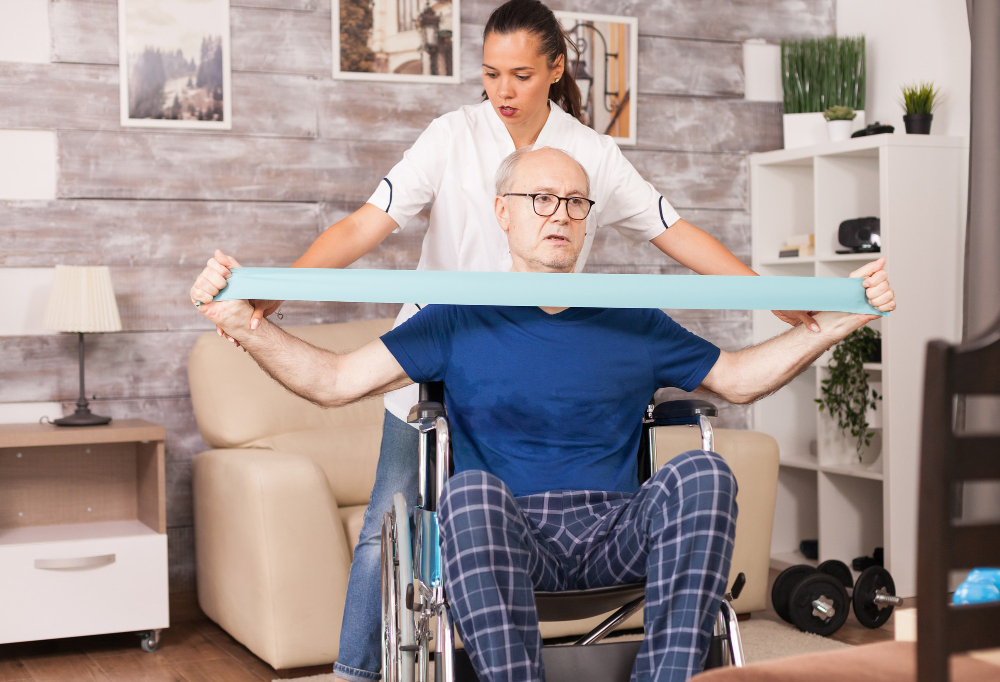
At the start, the therapist will check how the person moves and what they need help with. Next, they will set goals and make a plan. Each session may include:
For children, sessions often include games or songs. For adults, therapy may focus on work or home tasks. Because progress can be slow, patience is important. Therapists will adjust the plan as the person grows or improves.
Benefits of Physiotherapy for Children and Adults with Cerebral Palsy
Physical therapy benefits for cerebral palsy are well known. According to the World Health Organization, regular therapy can improve quality of life. Some key benefits include:
For many people, therapy also helps with mood and self-esteem. Because each person is different, the benefits may vary. Still, most people see progress over time.
Tips for Supporting Physiotherapy at Home
Home support is a big part of cerebral palsy rehabilitation. Families often ask how to support a child with cerebral palsy at home. Here are some helpful tips:
In some areas, local community centers offer group classes or support. Because regular practice is key, even short daily sessions can help.
Preventing Complications with Physiotherapy
Without regular movement, people with cerebral palsy can develop problems over time. However, physiotherapy helps prevent many of these issues. For example, therapy can:
Because prevention is easier than treatment, early and ongoing therapy is important. In many cases, working with a skilled therapist can help spot problems early and keep people active for longer, consult Dr Phani now.