Introduction
Cupping therapy is an ancient healing method. Today, many people use it for muscle recovery and to boost circulation. In fact, athletes and those with muscle pain often seek this therapy. Cupping therapy for athletes is becoming more popular. But how does it help with muscle pain relief and improve blood flow? This blog will explain what cupping therapy is, how it works, and what you can expect.
What is Cupping Therapy?
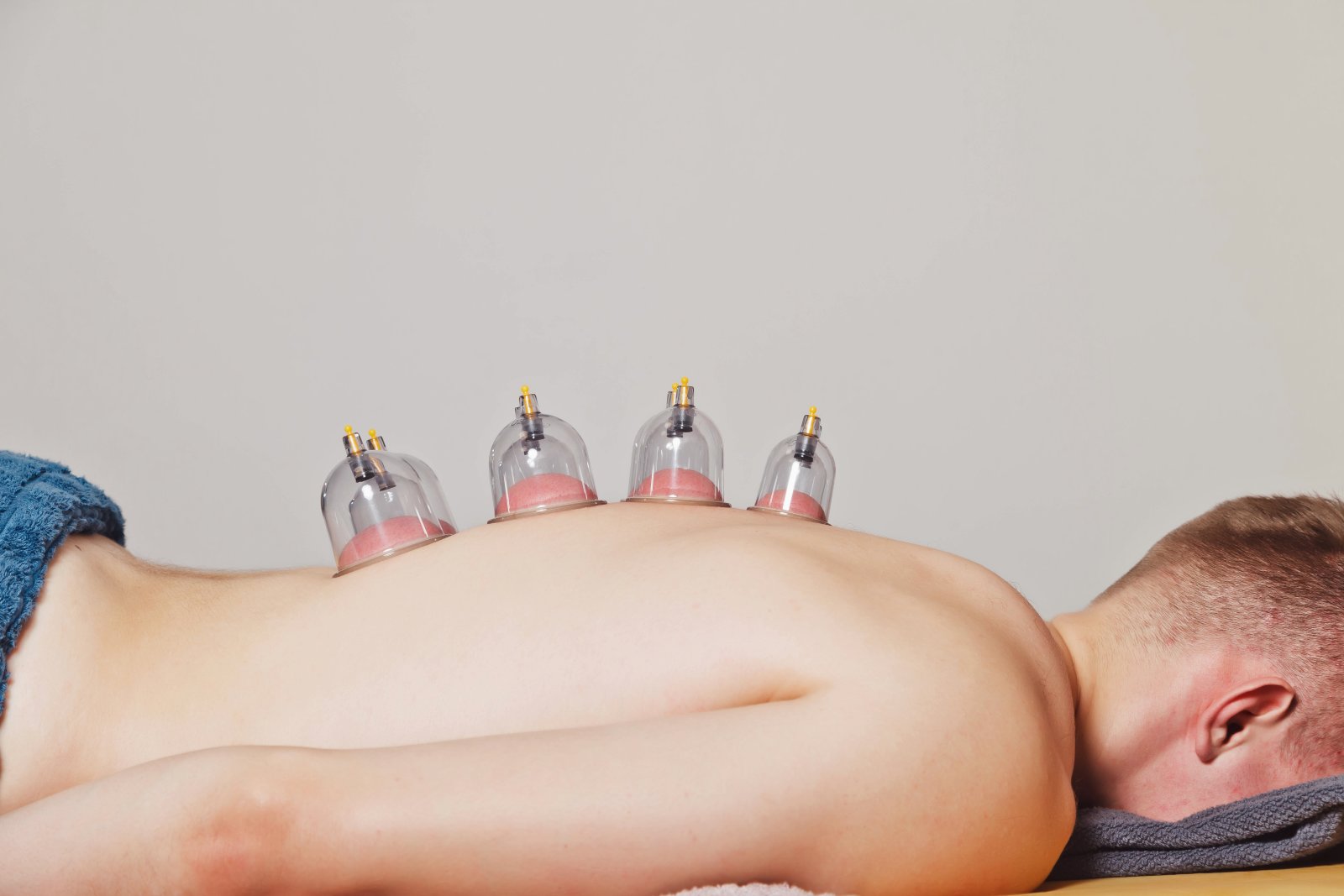
First, let’s understand what cupping therapy means. Cupping is a treatment where special cups are placed on your skin. These cups create suction. As a result, the skin and muscles are gently pulled upward. This method has roots in ancient Chinese and Middle Eastern medicine.
How Does Cupping Therapy Work for Muscle Recovery?
Cupping therapy helps muscles recover in several ways. When the cups create suction, blood rushes to the area. This extra blood flow brings oxygen and nutrients. Because of this, sore muscles may heal faster. Also, the suction can loosen tight muscles and ease stiffness. For example, many athletes use cupping therapy after hard workouts. They say it helps reduce muscle soreness and speeds up recovery. Even if you are not an athlete, you may find relief from muscle pain with cupping.
Benefits of Cupping Therapy for Circulation
Improving blood flow is one of the main goals of cupping therapy. Better circulation means your body can heal itself more quickly. Here are some key benefits:
Additionally, some people notice their skin feels warmer and more relaxed after a session. This is a sign that blood flow has improved. According to the World Health Organization, therapies that increase circulation can help with healing and pain relief.
Common Techniques and What to Expect
There are a few ways cupping therapy is done. Most often, therapists use glass, silicone, or plastic cups. Here are the main techniques:
During a session, you may feel a gentle pulling or tightness. However, most people find it relaxing. Afterward, you might see round marks on your skin. These are usually painless and fade in a few days. If you are new to cupping, your therapist will explain each step and answer your questions.
Safety, Risks, and Who Should Avoid Cupping
While cupping therapy is safe for many, some people should avoid it. For example, those with bleeding problems, skin infections, or certain heart conditions should not try cupping. Also, pregnant women should talk to their doctor first. Possible side effects include:
Therefore, always choose a trained and qualified therapist. If you have any health concerns, ask your doctor before starting cupping therapy.
Tips for Maximizing Results After Cupping
To get the most from your cupping session, follow these simple tips:
Additionally, regular sessions may offer better results for ongoing muscle pain or tightness. But always listen to your body and talk to your therapist about your needs.
Conclusion
Cupping therapy is a natural technique that may help improve blood circulation, reduce muscle soreness, and support faster recovery. When performed by a qualified professional, it can be a valuable addition to your pain management and rehabilitation plan.
Relieve muscle pain and recover with confidence. Consult Dr. Phani for expert cupping therapy and personalized rehabilitation tailored to your needs.