
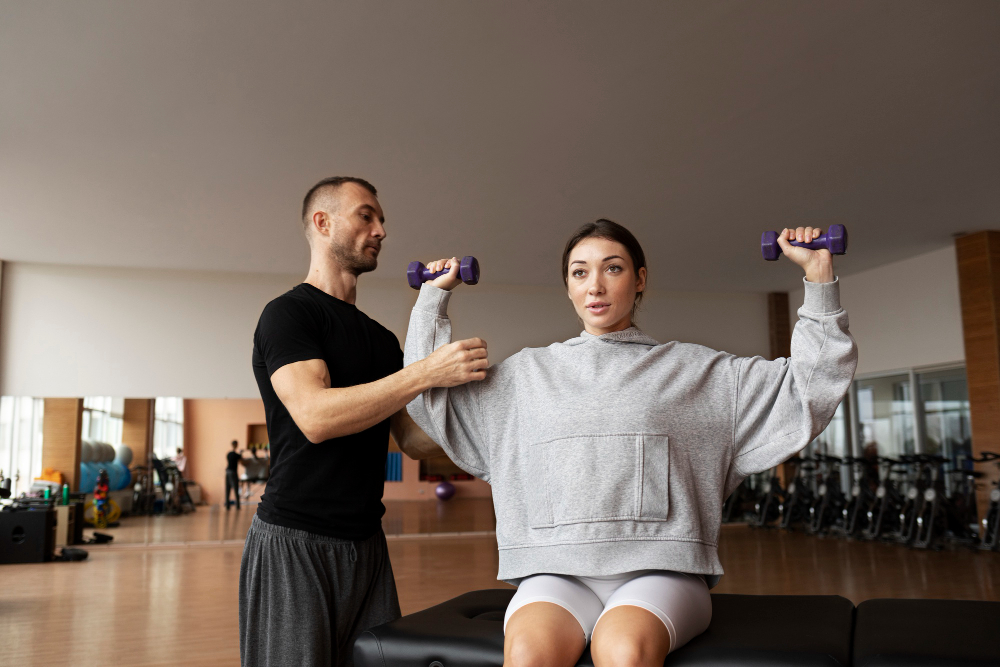
Many people want to be more active, but starting can feel hard. Building exercise confidence through guided training helps you take those first steps. In fact, guided physiotherapy for beginners is a safe way to learn new movements. With support, you can overcome exercise anxiety and gain confidence in physical activity. Physical medicine and rehabilitation experts use proven methods to help people of all ages and abilities. This approach is trusted by health organizations like the WHO and CDC.
What Is Exercise Confidence?
Exercise confidence means believing you can take part in physical activity. For example, you might feel sure you can walk daily or try a new stretch. When you have confidence in physical activity, you are more likely to stay active. This feeling grows as you learn new skills and see progress. As a result, you may feel happier and healthier.
Common Barriers to Exercise Confidence
Many people face challenges when starting to exercise. However, knowing these barriers can help you address them. Some common reasons include:
Even though these barriers are common, guided training can help you overcome them.
The Role of Guided Training in Physical Medicine and Rehabilitation
Guided training means working with a trained expert, such as a physiotherapist. In physical medicine and rehabilitation, these experts help you move safely. They teach you the right way to exercise and adjust plans for your needs. For example, guided physiotherapy for beginners often starts with simple movements. Over time, you build strength and skill. According to the CDC, guided programs lower the risk of injury and boost confidence.
How Guided Training Builds Exercise Confidence
Step-by-step support makes a big difference. With guided training, you learn at your own pace. Each session helps you feel more comfortable with movement. For instance, your physiotherapist may:
As you reach these goals, your confidence grows. Over time, you may notice less exercise anxiety and more enjoyment.
Key Strategies Used by Physiotherapists
Physiotherapists use many proven strategies to help you gain confidence. For example, they may:
Because these steps are easy to follow, you feel supported at every stage. As a result, you are more likely to stick with your exercise plan.
Benefits of Improved Exercise Confidence
When you feel confident, you are more likely to stay active. This brings many health benefits. According to the WHO, regular physical activity can:
Moreover, overcoming exercise anxiety can make daily life easier and more enjoyable.
Tips for Maintaining Exercise Confidence at Home
Even after guided training, you can keep building your confidence at home. Try these simple tips:
With these steps, you can continue to enjoy safe and confident movement every day.