
What Is Parkinson’s Disease?
Parkinson’s disease is a brain condition that affects movement. It often causes shaking, slow movement, and stiff muscles. Because of this, daily tasks can become hard. According to the World Health Organization, Parkinson’s disease is one of the most common movement disorders. While there is no cure, treatments like physiotherapy for Parkinson’s disease can help manage symptoms. Many people with Parkinson’s disease notice changes in how they walk and move. For this reason, movement training is an important part of care.
Common Walking and Daily Activity Challenges in Parkinson’s Disease
People with Parkinson’s disease often face problems with walking and daily activities. For example, they may shuffle their feet or freeze in place. Sometimes, turning or changing direction is tough. In addition, balance can be poor, which raises the risk of falls. Everyday tasks like dressing, bathing, or getting up from a chair may also become difficult. Because of these challenges, many people seek ways to improve walking in Parkinson’s and keep their independence.
How Physiotherapy Helps People with Parkinson’s Disease
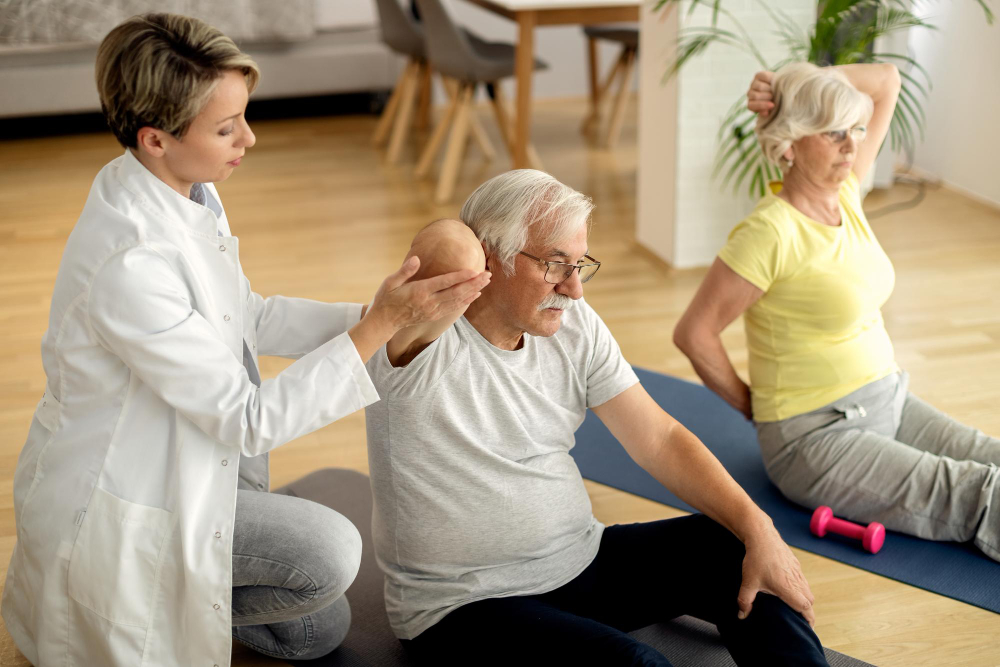
Physiotherapy for Parkinson’s disease focuses on movement training and exercise. With the help of a physiotherapist, people learn ways to move more easily. As a result, they can often walk better and do more on their own. Physiotherapists use special techniques to address each person’s needs. For example, they may teach exercises that improve balance and strength. In many cases, physiotherapy exercises for Parkinson’s can slow down the loss of movement skills. Because of this, many doctors recommend starting physiotherapy early.
Movement Training Techniques Used in Physiotherapy
Movement training is a key part of physiotherapy for Parkinson’s disease. Physiotherapists use different methods to help people move better. For example, they may use:
In addition, some physiotherapists use treadmill training or dance-based exercises. These methods can make movement training more fun and effective. Because every person is different, physiotherapists create custom plans for each patient.
Benefits of Movement Training for Walking and Daily Activities
Movement training offers many benefits for people with Parkinson’s disease. First, it can help improve walking speed and step length. As a result, people may feel more confident moving around. Second, movement training can lower the risk of falls by improving balance. In addition, regular physiotherapy exercises for Parkinson’s can make daily tasks easier. For example, getting dressed or standing up from a chair may become less challenging. Over time, people often notice better posture and more energy. Because of these benefits, movement training is a key part of Parkinson’s care.
Tips for Safe and Effective Home Exercises
Many people want to practice physiotherapy exercises for Parkinson’s at home. However, safety is very important. Before starting, talk to your doctor or physiotherapist. They can suggest the best exercises for you. For example, always use a sturdy chair or wall for support. In addition, wear shoes with good grip to prevent slipping. Start slowly and increase activity as you feel stronger. Because fatigue is common, take breaks as needed. If you feel dizzy or unwell, stop and rest.
When to Seek Professional Physiotherapy Support
Sometimes, home exercises are not enough. If you notice more trouble walking or doing daily tasks, it may be time to seek help. For example, if you fall often or feel unsafe, contact a physiotherapist. Many physiotherapy clinics near you offer programs for Parkinson’s disease movement training. In addition, if you have pain or new symptoms, a professional can help adjust your plan. Early support can make a big difference in your quality of life. Because Parkinson’s disease changes over time, regular check-ins with your care team are important.