Chronic lower back pain is a common problem for many people worldwide. Physiotherapy for chronic lower back pain can help reduce pain and improve movement without surgery. In many cities, local physiotherapy clinics offer a range of non-surgical back pain treatments. With the right approach, you can manage your pain and return to daily life. This blog explains the causes, exercises, and physiotherapy management for back pain, based on trusted sources like the World Health Organization and CDC.
What Is Chronic Lower Back Pain?
Chronic lower back pain means pain in the lower back that lasts for more than 12 weeks. Usually, this pain can come and go or stay steady. For some, it may feel dull, sharp, or burning. Often, chronic pain affects daily tasks and quality of life. According to the CDC, lower back pain is one of the most common reasons people visit a doctor. While it can affect anyone, adults over 30 are at higher risk. In many cases, the pain is not caused by a serious disease. Instead, it often results from strain or injury.
Common Causes of Chronic Lower Back Pain
Many factors can lead to chronic lower back pain. However, some causes are more common than others. Understanding these can help with better management.
Sometimes, other health issues like arthritis or bone problems can also cause pain. Yet, most cases are linked to daily habits or minor injuries.
How Physiotherapy Helps Chronic Lower Back Pain
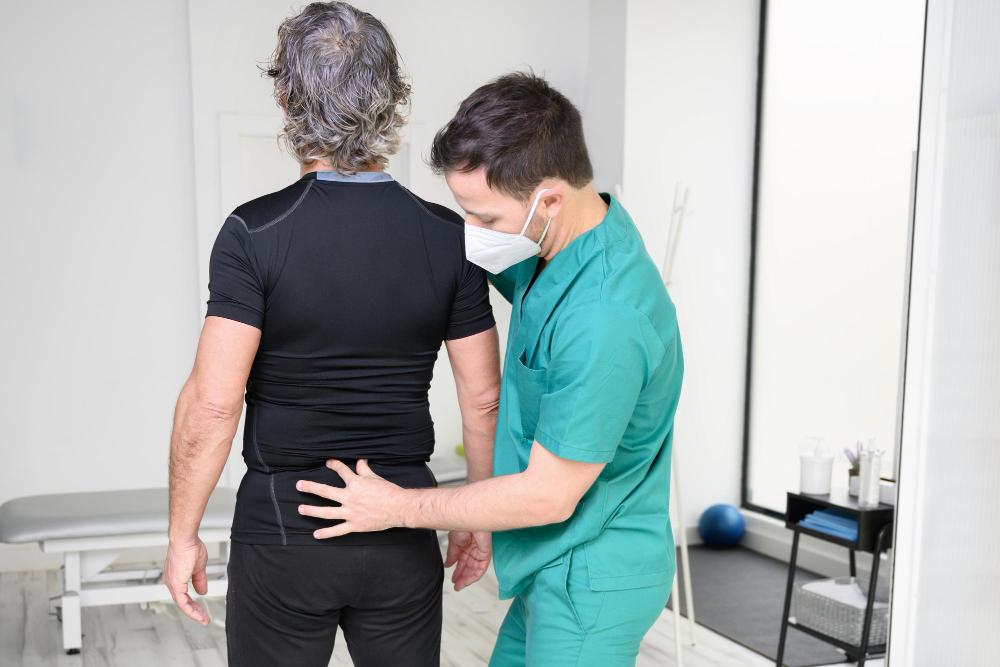
Physiotherapy management for back pain uses movement and hands-on care to reduce pain. First, a physiotherapist checks your posture, strength, and movement. Then, they create a plan just for you. For example, they may teach you lower back pain exercises to stretch and strengthen muscles. In addition, physiotherapists use gentle manual therapy to ease tight areas. They also show you how to move safely at home and work. Over time, these steps can help you avoid surgery and keep pain under control. Many people find that regular physiotherapy sessions improve their quality of life.
Effective Physiotherapy Exercises for Lower Back Pain
Exercise is a key part of non-surgical back pain treatment. With guidance, you can do simple moves at home or at a clinic. For best results, always ask a physiotherapist before starting new exercises.
Even so, stop any exercise that causes sharp pain. Instead, focus on slow, steady movements. Over time, these lower back pain exercises can build strength and reduce stiffness.
Non-Surgical Management Strategies in Physiotherapy
Besides exercise, physiotherapy offers other non-surgical back pain treatments. These methods aim to ease pain and improve movement without surgery.
Moreover, many clinics offer group classes or one-on-one care. In some areas, you may find community programs that support non-surgical management for back pain. Always check what services are available near you.
Lifestyle Tips for Managing Chronic Lower Back Pain
Along with physiotherapy, simple lifestyle changes can make a big difference. For example, staying active helps keep your back strong. Even small changes can help reduce pain over time.
Additionally, avoid heavy lifting or sudden twisting. If you smoke, quitting can also help your back heal better. Over time, these habits support your physiotherapy management for back pain.
Prevention of Chronic Lower Back Pain
Preventing lower back pain is often possible with a few simple steps. For instance, regular exercise keeps your back and core muscles strong. In addition, good posture at work and home can protect your spine. Many experts suggest stretching before and after activities. If you work at a desk, adjust your chair and screen to the right height. When driving, use a cushion or support for your lower back. Finally, see a physiotherapist early if you notice pain that lasts more than a few weeks. Early care can stop pain from becoming chronic.