
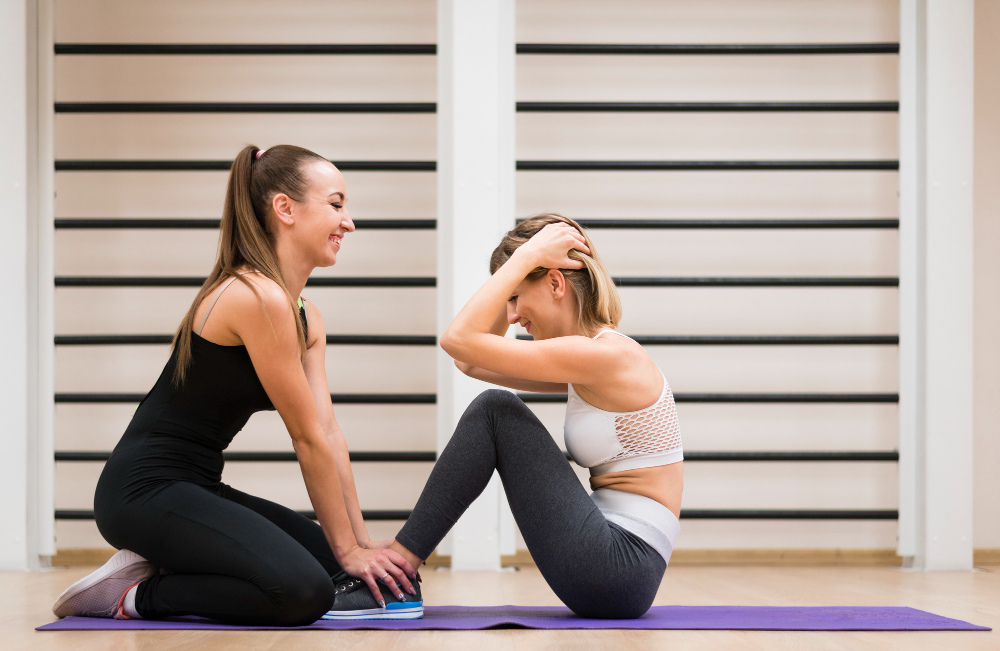
Starting Pilates can be exciting, but knowing the beginner mistakes to avoid during Pilates practice is important for safety and progress. Many people jump into Pilates hoping for quick results. However, some common errors can slow progress or even cause injury. By learning about these mistakes, you can enjoy a safer and more effective Pilates journey, whether you attend classes in your city or practice at home.
Common Beginner Mistakes in Pilates
Many people make similar errors when they first start Pilates. For example, some rush through exercises or focus only on flexibility. Others may forget to breathe properly. These mistakes can affect your results and even lead to discomfort. Here are some common beginner Pilates mistakes:
Causes of These Mistakes
Often, beginners make mistakes because they are eager to see fast results. In addition, some people may not fully understand the basics of Pilates. Sometimes, online videos or group classes move too quickly for new learners. As a result, you might miss key instructions. Lack of guidance from a trained Pilates instructor or physiotherapist can also lead to errors. Furthermore, trying to copy advanced moves before mastering the basics is a common cause of mistakes.
How to Recognize Mistakes During Pilates
It is important to notice when you are making errors during Pilates. For instance, you may feel pain in your neck, back, or joints. If you feel dizzy or out of breath, this may signal a problem. Sometimes, you might notice that you cannot hold a pose or your form looks different from the instructor’s. Additionally, if you are not feeling the exercise in your core or target muscles, you may be doing it incorrectly. Paying attention to these signs helps you correct your form early.
Tips to Avoid Beginner Errors
Thankfully, you can avoid many beginner mistakes with a few simple tips. First, always start with a warm-up to prepare your body. Next, focus on slow, controlled movements. Remember to breathe deeply and evenly. It also helps to practice in front of a mirror so you can check your posture. If possible, join a beginner Pilates class in your area for extra support. Here are more tips for safe Pilates practice:
Safe Pilates Practice for Beginners
For a safe Pilates experience, always use a proper mat and enough space. In addition, keep your movements gentle and avoid pushing yourself too hard. Following instructions from trusted sources, such as certified Pilates instructors or physiotherapists, can lower your risk of injury. The World Health Organization and other health groups recommend regular, moderate exercise for most people. However, if you have a health condition, check with your doctor before starting Pilates. Practicing Pilates safely helps you build strength and flexibility over time.
When to Seek Professional Guidance
Sometimes, you may need extra help to practice Pilates safely. For example, if you have ongoing pain, a recent injury, or a medical condition, it is wise to consult a physiotherapist or certified Pilates instructor. Additionally, if you feel unsure about your form or progress, a professional can give you personalized tips. Many cities offer beginner Pilates classes with trained instructors who can guide you step by step. Seeking expert advice ensures you get the most from your Pilates practice while staying safe.