
Introduction to Strength & Conditioning for Athletes
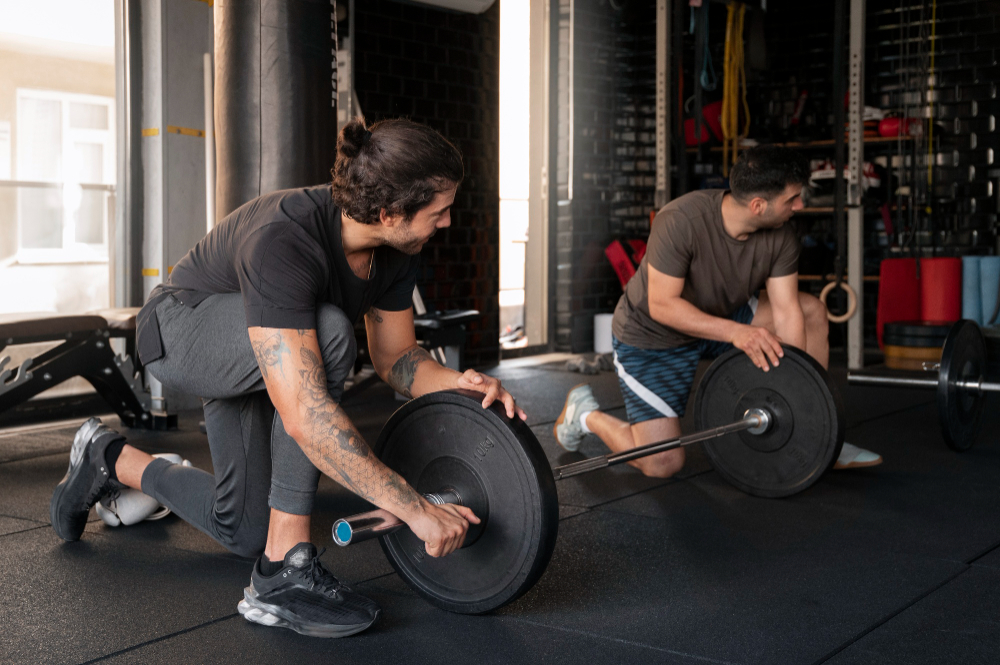
Strength and conditioning for athletes is a key part of sports training. It helps athletes build muscle, boost endurance, and prevent injuries. Many athlete training programs include strength and conditioning to improve overall performance. Whether you play soccer, basketball, or run track, this type of training can help you reach your goals. In many cities, you can find strength training programs designed for all skill levels. Because of its many benefits, more athletes are adding these workouts to their routines.
Benefits of Strength & Conditioning for Athletic Performance
There are many reasons why athletes should include strength and conditioning in their training. First, it helps build stronger muscles and bones. This means you can move faster and jump higher. Second, it improves balance and coordination, which are important in almost every sport. Third, it helps prevent sports injuries by making your body more stable. In addition, regular training can boost your confidence and mental focus. Here are some key benefits:
According to the CDC, regular strength training can also support heart health and bone strength.
Common Methods and Exercises Used in Training
There are many ways to do strength and conditioning for athletes. For example, some programs use bodyweight exercises, while others use weights or resistance bands. Most athlete training programs include a mix of these methods. Here are some common exercises:
Additionally, many trainers use circuit training. This means you move quickly from one exercise to the next. As a result, you build both strength and endurance. Always choose exercises that match your sport and skill level.
Safety Tips and Injury Prevention Strategies
Staying safe is very important during strength and conditioning for athletes. First, always warm up before you start. This helps prepare your muscles and joints. Second, use the right form for each exercise. If you are not sure, ask a coach or trainer for help. Third, start with light weights and increase slowly. Over time, your body will get stronger. Here are some safety tips:
Moreover, sports injury prevention is easier when you follow these steps. The WHO also recommends regular rest days to help your body recover.
How to Get Started: Guidance for Beginners
If you are new to strength and conditioning for athletes, start slow. First, talk to a certified trainer or physiotherapist. They can help you build a safe and effective plan. Next, set clear goals. For example, you might want to run faster or jump higher. Then, choose exercises that match your sport. Remember, it is better to do a few exercises well than many with poor form. Here are some tips for beginners:
As you get stronger, you can add more exercises or increase the weight. Always listen to your body and rest when needed.
Frequently Asked Questions
Conclusion
In summary, strength and conditioning for athletes offers many benefits. It can boost your performance, help prevent injuries, and support your overall health. However, always train safely and listen to your body. For the best results, consult a certified physiotherapist Dr Phani for personalized advice.