
Introduction
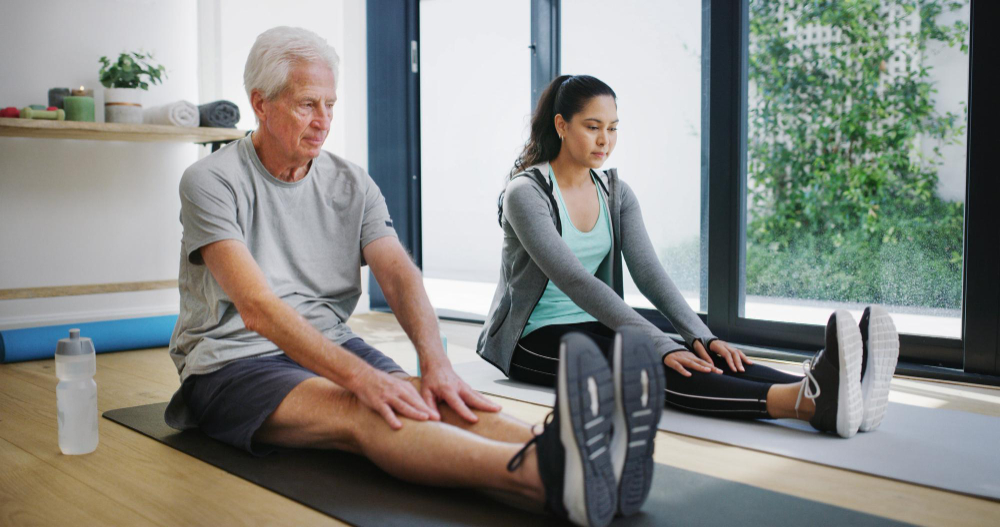
Mobility training for musculoskeletal conditions is important for many people. Musculoskeletal conditions affect the muscles, bones, and joints. These problems can make daily movement hard. However, with the right training, you can improve how you move. Mobility training helps you stay active and reduces pain. In this blog, you will learn why mobility matters and how to start safely.
Common Symptoms and Challenges
Many people with musculoskeletal conditions face daily challenges. For example, you may notice:
Because of these symptoms, simple tasks can feel hard. Yet, with regular mobility training, you can often make these tasks easier.
Causes and Risk Factors
Musculoskeletal conditions can happen for many reasons. Some common causes include:
Additionally, being overweight or having a family history can increase your risk. Knowing these factors can help you take steps to protect your joints and muscles.
Overview of Mobility Training
Mobility training is a set of exercises that help your joints and muscles move better. Unlike simple stretching, mobility training focuses on both movement and strength. For people with musculoskeletal conditions, this training can make daily life easier. It also helps prevent further injury. Because mobility training is gentle, most people can start with simple moves at home.
Key Mobility Training Techniques
There are many ways to improve mobility safely. Here are some practical examples:
For best results, repeat each exercise slowly and with control. Always stop if you feel pain.
Benefits of Mobility Training for Musculoskeletal Conditions
Mobility training offers many benefits, especially for those with joint or muscle problems. For instance, it can:
Because these benefits build over time, regular practice is key.
Tips for Safe and Effective Mobility Training
To get the most from your mobility training, follow these tips:
Moreover, if you are unsure about any exercise, ask a physiotherapist for help.
Prevention and Lifestyle Guidance
Besides mobility training, healthy habits can protect your joints and muscles. For example:
With these steps, you can lower your risk of future problems.
When to Seek Professional Help
Sometimes, home exercises may not be enough. You should see a doctor or physiotherapist if you:
Early help can prevent further damage and speed up recovery.
Conclusion
Mobility training for musculoskeletal conditions can help you move better and feel less pain. With the right exercises and habits, you can improve your quality of life. For the best results, consult a physiotherapist Dr Phani for personalized mobility training guidance.