
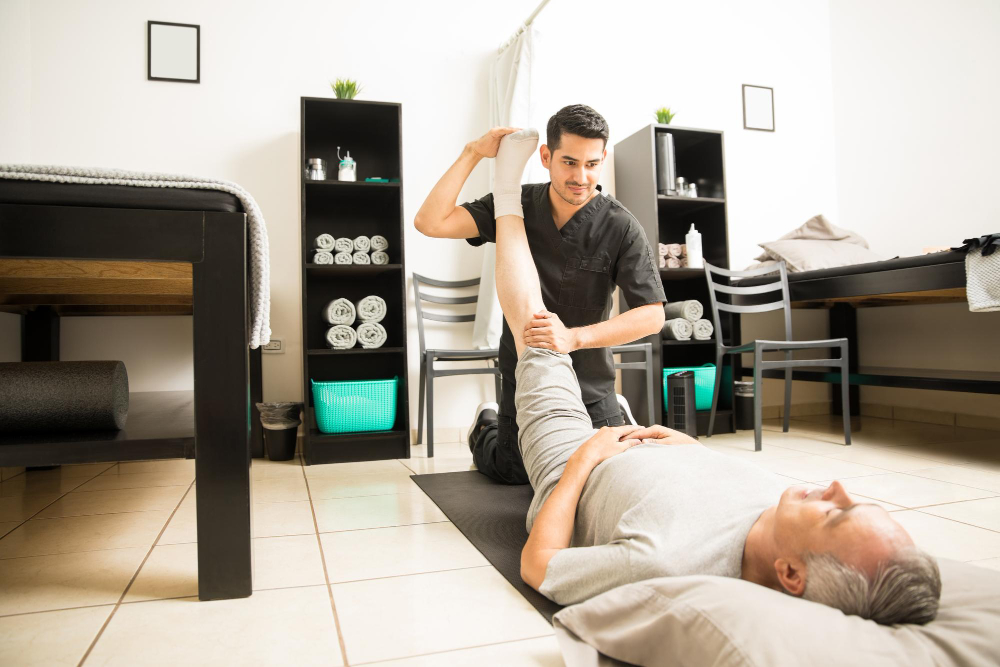
Physiotherapy for TKR, or total knee replacement, is a key part of your recovery journey. After surgery, your knee needs help to heal and regain strength. With the right physiotherapy, you can move better, reduce pain, and return to daily life sooner. In this blog, you will learn why physiotherapy for TKR is important, what to expect, and how it helps you recover. You will also find helpful tips and exercises for knee replacement recovery. Let’s explore how post-TKR physiotherapy supports your healing process.
What Is Total Knee Replacement (TKR)?
Total knee replacement, often called TKR, is a surgery to replace a damaged knee joint. Doctors use metal and plastic parts to create a new joint. Usually, people need TKR because of severe arthritis or injury. As a result, the surgery helps reduce pain and improve movement. However, the new knee needs time and care to work well. That is where physiotherapy comes in.
Why Is Physiotherapy Essential After TKR?
After TKR, your knee is stiff and weak. Physiotherapy is essential because it helps you regain movement and strength. Without proper exercises, your knee may not bend or straighten fully. In addition, physiotherapy lowers the risk of problems like blood clots or joint stiffness. According to the World Health Organization (WHO), early movement after surgery improves healing. Therefore, starting physiotherapy soon after TKR is very important for a smooth recovery.
Key Goals of Physiotherapy for TKR
Physiotherapy for TKR focuses on several main goals. These help you get back to normal life faster. Some key goals include:
With these goals in mind, your physiotherapist will create a plan just for you.
Common Physiotherapy Techniques and Exercises
During rehabilitation after TKR, your physiotherapist will guide you through safe and simple exercises. These help your knee heal and get stronger. Some common techniques and knee replacement recovery exercises include:
As you progress, your physiotherapist may add more advanced exercises. For example, you might practice climbing stairs or balancing on one leg. Always follow your therapist’s advice for best results.
Timeline: What to Expect During Recovery
Recovery after TKR happens in stages. Knowing what to expect can help you stay motivated. Here is a general timeline:
Everyone heals at their own pace. Therefore, always check with your physiotherapist about your progress.
Tips for a Successful Rehabilitation at Home
Once you leave the hospital, home care is very important. Here are some post-TKR physiotherapy tips for a smooth recovery:
With these steps, you can support your healing and avoid setbacks.
Preventing Complications and Promoting Healing
After TKR, it is important to watch for signs of problems. For example, redness, warmth, or severe pain may mean infection. If you notice these, contact your doctor right away. In addition, moving your ankle and knee often helps prevent blood clots. According to the Centers for Disease Control and Prevention (CDC), staying active and following your physiotherapy plan lowers your risk of complications. Therefore, always listen to your body and report any concerns to your healthcare team.
In summary, physiotherapy for TKR is vital for a safe and strong recovery. With the right exercises and support, you can regain movement and enjoy daily life again. Consult a qualified physiotherapist Dr Phani for a personalized TKR recovery plan.