
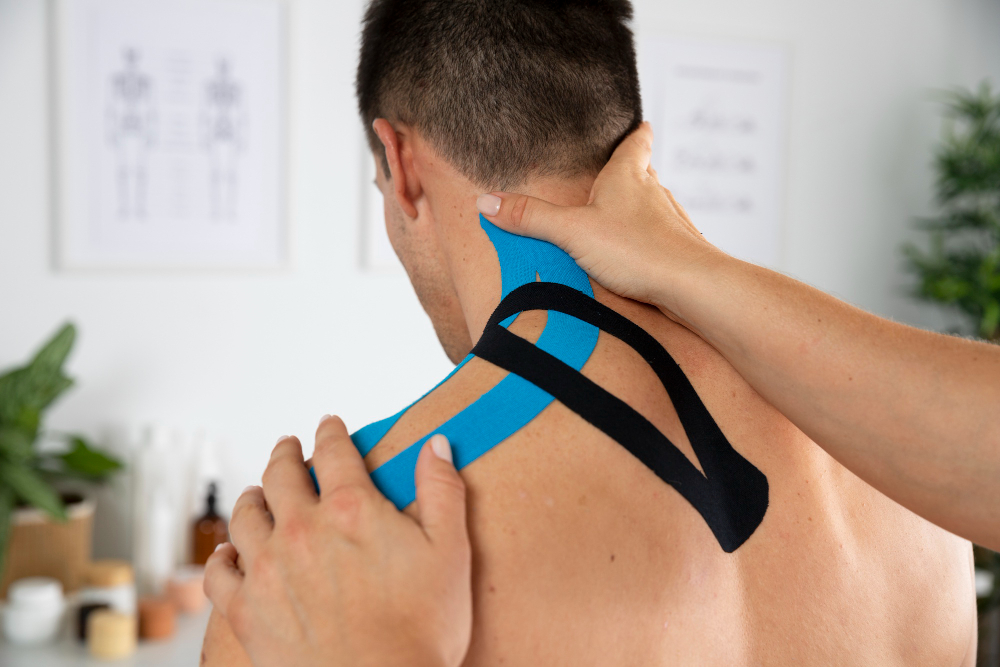
What is Sports Taping?
Sports taping is a method used in physiotherapy to support muscles and joints. It involves placing special tape on the skin. Often, athletes use sports taping for injury prevention and recovery. However, anyone with muscle or joint pain may benefit. The tape helps limit movement, reduce pain, and improve healing. Because it is simple and effective, many people use sports taping at home or with a therapist.
Benefits of Sports Taping
Sports taping offers several advantages. For example, it can help you stay active while healing. Here are some key benefits:
According to the CDC and medical studies, taping is safe when used correctly. Still, it should not replace medical care for serious injuries.
Common Sports Taping Techniques
There are several physiotherapy taping methods. Each technique has a different purpose. Below are some common ways to use sports tape:
For best results, a trained physiotherapist should show you how to use sports tape. However, some people learn basic taping at home with guidance.
When to Use Sports Taping
Sports taping is useful in many situations. For instance, you might use it if you:
However, you should not use sports taping on open wounds or broken skin. If you have a serious injury, always seek medical help first. In addition, talk to your physiotherapist before starting taping on your own.
Safety Tips and Precautions
Although sports taping is safe for most people, you should follow some safety tips. For example, always clean and dry your skin before taping. Here are more sports taping safety tips:
According to the World Health Organization, safe taping can help prevent further injury. Still, incorrect use may cause skin problems or worsen pain.
Frequently Asked Questions
Is sports taping only for athletes?
No, anyone with muscle or joint pain can use sports taping. However, athletes use it more often for injury prevention and support.
How long can I wear sports tape?
Usually, you can wear sports tape for up to 24 hours. But, you should remove it sooner if you feel discomfort or skin irritation.
Can I apply sports tape myself?
Yes, you can learn how to use sports tape at home. Still, it is best to get advice from a physiotherapist first.
Are there any risks with sports taping?
Most people use sports taping safely. However, some may develop skin rashes or allergies. If you notice redness or pain, remove the tape and consult a doctor.
Conclusion
In summary, sports taping is a helpful tool in physiotherapy. It can support healing, prevent injuries, and ease pain. However, always use it safely and seek expert advice. Consult a qualified physiotherapist Phani for personalized advice on sports taping.